
Model NameNumber CON991D42QTR2, Brand MCS Conductivity Indicator Controller, For Industrial, Control Type High Limit, Material Metal
Key Highlights
Available Variants
Technical Specifications
| Parameter | Value |
|---|---|
| Minimum Order Quantity | 1 Piece |
| Brand | MCS |
| Model Name/Number | CON991D42QTR2 |
| Material | Metal |
Product Description
A conductivity indicator controller functions as a device used across multiple sectors of industry and laboratory applications to measure and control the electrical conductivity of a solution or liquid. Conductivity is a measure of how well a solution can conduct an and also, Electrical current serves as directly associated with the degree of ions charged particles in the solution. Conductivity controllers are particularly valuable in processes where maintaining specific conductivity levels plays an essential or compliance, Process control with regulatory, Role in product quality standards. The following outlines the essential characteristics and parts of a typical conductivity indicator controller sensor or probe the heart of a conductivity controller system is the conductivity sensor or probe. This sensor is submerged in the liquid being measured and is composed of a pair or additional electrodes. When an electrical voltage is applied across the sensor, These electrodes measures the electrical conductance of the solution, That is subsequently converted into a conductivity value. Measurement range conductivity controllers come equipped with various measurement ranges to accommodate multiple kinds of solutions, From highly pure deionized water with low conductivity to more conductive solutions like brine or industrial process fluids. Cell constant the sensor s cell constant is a calibration factor that accounts for the geometry and dimensions of the electrodes. Different sensors may have different together with, Cell constants it being essential to select a sensor with an appropriate cell constant for the target solution to ensure accurate measurements. Converter or transmitter the conductivity sensor sends its measurement data to a converter or transmitter, Which typically converts the data into a standard output signal such as 4, 20 ma or 0, 10 v. This signal is proportional to the measured conductivity and may serve for monitoring and control. Display many conductivity controllers feature a digital display that provides real, Time readings of the conductivity level. The display may also show other relevant information.
Shipping Information
Seller Information
Trust & Safety
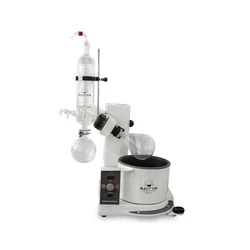
Rotary Vacuum Evaporator — Polished finishing 220V

Torque Motor Controller — Three phase, durable

Freezer Evaporator, Capacity 43 lit, Frequency 5060 Hz, Automation Grade Automatic
